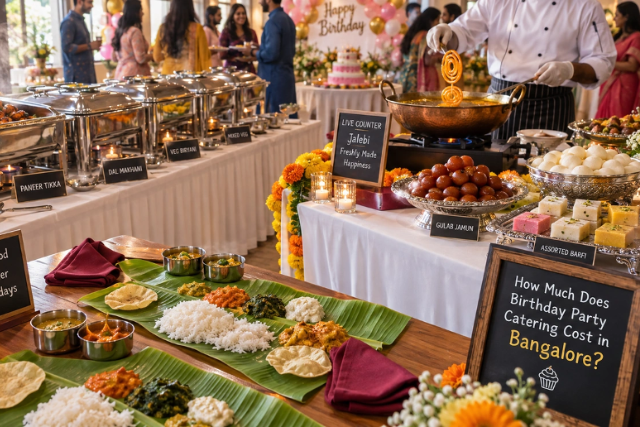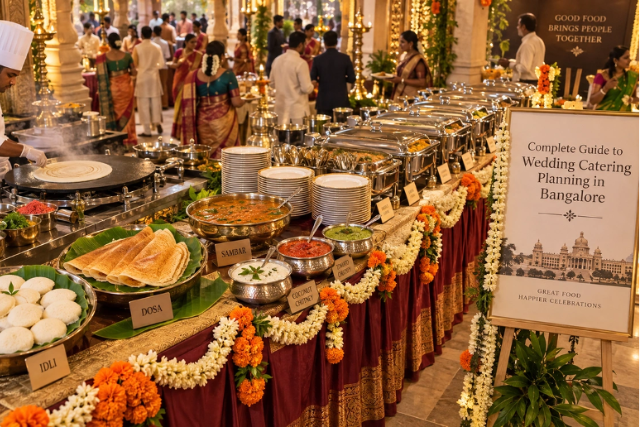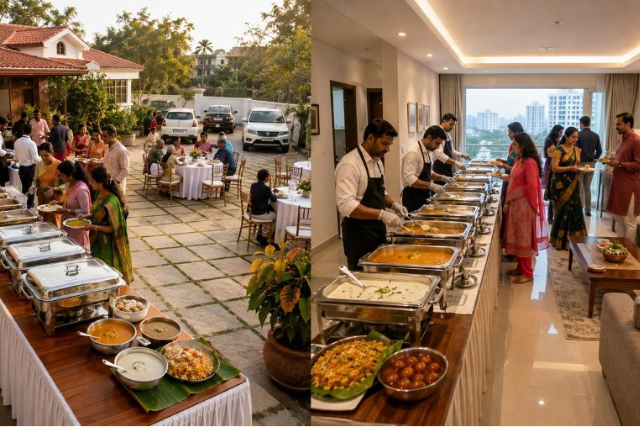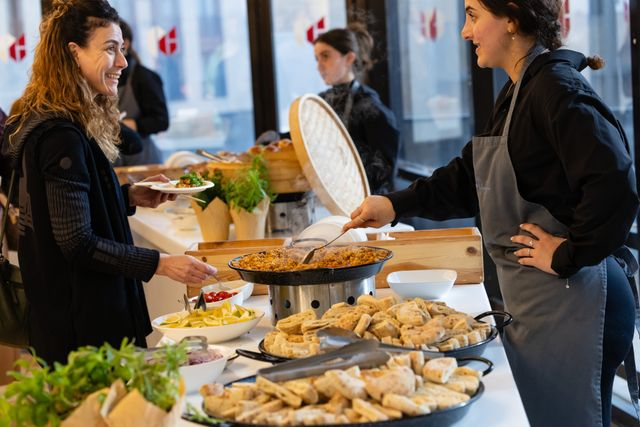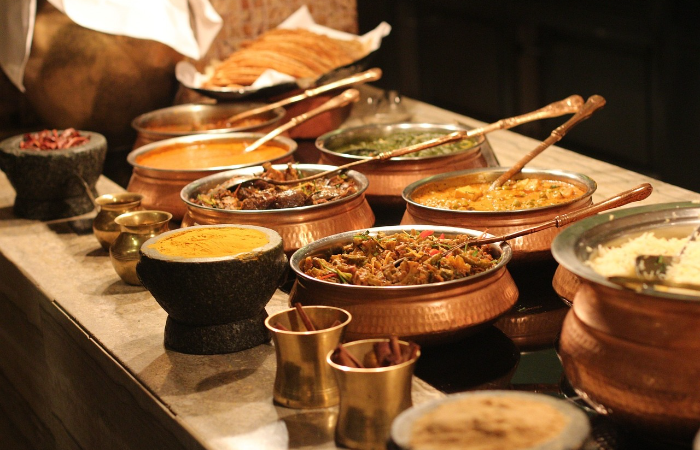
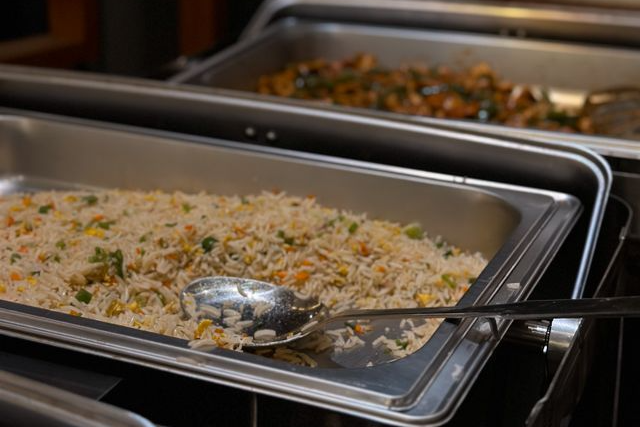
Choosing between catering services in Bangalore and self-managed food can make or break your event experience. Managing food yourself seems budget-friendly, but the reality involves hidden expenses and considerable effort. Food directly affects employee engagement and brand perception. Catering services in Bangalore have become more advanced than ever and offer everything in corporate catering to wedding and birthday party solutions.
The best catering services in Bangalore now provide multi-cuisine menus including Indian, continental, Asian, vegan and health-focused options. You might be planning corporate events, home gatherings or celebrations in areas like JP Nagar. Understanding the real differences between these approaches helps you make the right choice for your specific needs and budget.
Cost Comparison: Catering Services vs Self-Managed Food
Professional catering services in Bangalore start at ₹200 per person for corporate events. Wedding catering services in Bangalore range from ₹500 to ₹2,500 per plate depending on menu complexity and guest count. Birthday party catering costs between ₹100 and ₹350 per person. These rates include serving staff, equipment, setup and cleanup, which many hosts overlook at the time of calculating self-managed costs.
Self-managed food appears cheaper at first glance. A self-catering setup brings meal costs down to roughly ₹675.04 per meal, compared to ₹5,062.83 to ₹8,438.05 per day at the time of eating out. Grocery costs run ₹6,750.44 to ₹12,657.07 for a family of four for a week-long event or extended gathering. These figures don’t account for equipment rentals, serving staff, or the time investment required to prepare meals and clean up.
Food inflation adds complexity to your budget planning. Average food prices have increased by 10.6%, with the index for food away from home rising over 12%. This affects both options equally, but professional catering services absorb these fluctuations through bulk purchasing and vendor relationships. Home catering services in Bangalore eliminate the need to source ingredients individually. This often results in unexpected cost overruns and last-minute convenience store purchases otherwise.
Effort and Logistics: What Goes Into Each Option
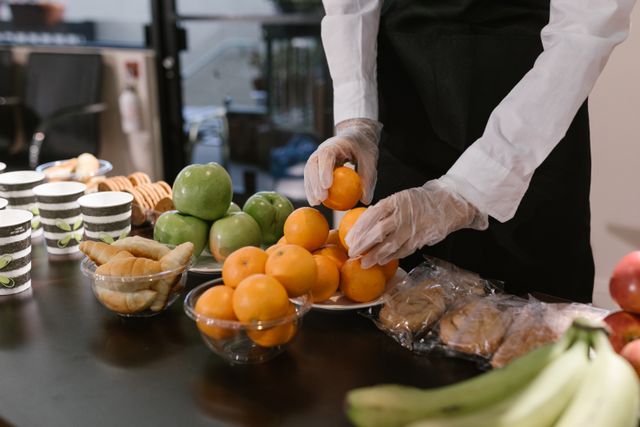
Food logistics management shows clear operational differences between hiring catering services in Bangalore and self-managing your event. Professional corporate catering services handle everything from procurement to post-event cleanup through specialized teams. Catering operations follow systematic workflows: procurement, storage, ingredient preparation, batch cooking, hot and cold holding, transport, plating, and warewashing. Each stage requires properly selected equipment to prevent bottlenecks during service.
Self-managed food just needs much more preparation time. A simple meal needs only a few experienced people, but complex menus require more time and help for preparation, service, and cleanup. You’ll need to plan at least three months in advance for execution to work. Timeline management becomes significant when cooking for large groups since 10 quarts of water takes much longer to boil than 2 quarts. Storage space limitations also dictate menu choices, given that adequate refrigerator or freezer space must be arranged well before the event.
Equipment requirements differ greatly between approaches. Professional catering services in jp nagar bangalore and other areas provide chafing dishes, temperature-controlled transport, and commercial-grade thermometers. Self-managed setups require you to source or rent everything yourself, from serving utensils to warming equipment. Wedding catering services in Bangalore maintain specialized banquet kitchen equipment designed for high-volume production and simultaneous service with tight delivery windows.
Quality and Guest Experience Factors
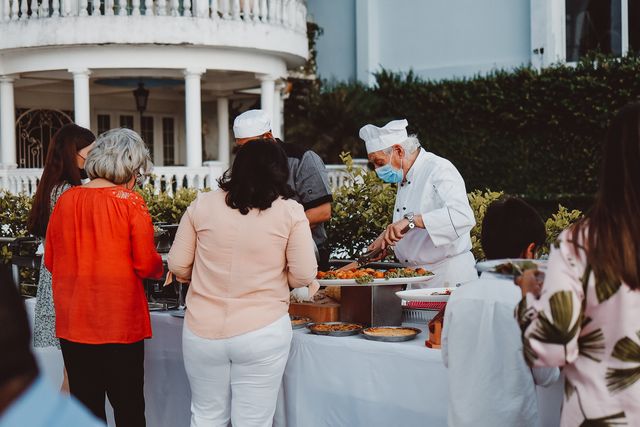
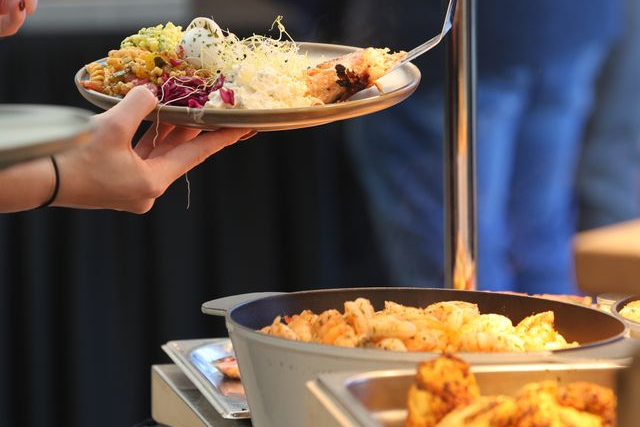
Guest perception of food quality begins before the first bite. Over 72% of guests admit that food presentation influences how appetizing they find a dish before tasting it. Professional catering services in Bangalore excel at creating visual appeal through vibrant plating and balanced color combinations. They use creative garnishing techniques that self-managed setups rarely achieve. This visual impact sets immediate expectations about taste and quality. Guests feel valued by the event organizers.
The best catering services in Bangalore prioritize fresh, high-quality ingredients that lead to better flavors and presentation. Corporate catering services accommodate diverse dietary needs. These include vegetarian, vegan, gluten-free and allergy-specific menus. Veg catering services in Bangalore offer customizable options that cater to various priorities. Hosts don’t need to manage multiple cooking processes at the same time. Self-managed food, on the flip side, doesn’t deal very well with consistency when scaling recipes for large groups.
Professional caterers follow strict hygiene standards and food safety regulations that provide reliability and remove uncertainty. Wedding catering services in Bangalore and other professional providers maintain proper temperature control. They use food-grade equipment and implement HACCP guidelines. Poor food quality can overshadow everything else at an event, whatever other excellent elements you have. Professional service also has trained staff who ensure guests feel cared for throughout the meal. This allows hosts to enjoy their own events without stress.
Comparison Table: Catering Services vs Self-Managed Food
| Attribute | Catering Services in Bangalore | Self-Managed Food |
| Cost per Person (Corporate Events) | Starting at ₹150 per person | Around ₹675.04 per meal |
| Cost per Person (Weddings) | ₹500 to ₹2,500 per plate | Not mentioned |
| Cost per Person (Birthday Parties) | ₹100 to ₹350 per person | Not mentioned |
| Weekly Cost (Family of Four) | Not mentioned | ₹6,750.44 to ₹12,657.07 in groceries |
| What’s Included | Serving staff, equipment, setup and cleanup, temperature-controlled transport, commercial-grade equipment | Raw ingredients only (equipment rentals, serving staff and time investment not included) |
| Preparation Time | Minimal host involvement; specialized teams handle everything | Substantial time needed; complex menus need more people to prepare, serve and clean up |
| Planning Timeline | Professional teams manage timeline | You need at least 3 months advance planning |
| Equipment Provided | Chafing dishes, temperature-controlled transport, commercial-grade thermometers and banquet kitchen equipment | You must source or rent all equipment yourself including serving utensils and warming equipment |
| Logistics Management | Systematic workflow covering procurement, storage, preparation, cooking, transport and plating | Host manages all stages independently; storage space limitations dictate menu choices |
| Food Quality | Fresh, high-quality ingredients; consistent results at scale | Doesn’t deal very well with consistency when scaling recipes for large groups |
| Food Presentation | Professional plating with vibrant colors and balanced combinations (72% of guests influenced by presentation) | Rarely achieves professional visual appeal |
| Dietary Accommodation | Multi-cuisine menus including Indian, continental, Asian, vegan and gluten-free options | Requires managing multiple cooking processes at once for different dietary needs |
| Hygiene Standards | Strict food safety regulations, proper temperature control and HACCP guidelines | Dependent on host’s knowledge and implementation |
| Service Staff | Trained professional staff included | Host must arrange separately or manage themselves |
| Host Stress Level | Minimal; allows hosts to enjoy their own events | High; responsible for all aspects of food management |
| Effect of Food Inflation (10.6% increase) | Absorbed through bulk purchasing and vendor relationships | Direct effect; unexpected cost overruns and last-minute purchases common |
Key Takeaways
When planning an event in Bangalore, understanding the true costs and logistics of catering versus self-managed food helps you make an informed decision that balances budget, quality, and guest experience.
- Professional catering isn’t as expensive as it seems – Starting at ₹150 per person for corporate events, catering includes staff, equipment, setup, and cleanup that self-managed options must source separately.
- Self-managed food demands 3+ months of planning – Beyond cooking, you’ll handle procurement, equipment rental, storage logistics, temperature control, and cleanup—significantly more effort than anticipated.
- Food presentation directly impacts guest satisfaction – Over 72% of guests judge food quality by appearance before tasting, giving professional caterers a clear advantage in creating memorable experiences.
- Hidden costs erode self-managed savings – Equipment rentals, serving staff, time investment, and 10.6% food inflation often make DIY catering more expensive than professional services.
- Professional caterers ensure food safety and dietary flexibility – Strict hygiene standards, HACCP compliance, and multi-cuisine options (vegan, gluten-free, allergy-specific) provide reliability that self-managed setups struggle to match.
The bottom line: Choose professional catering when guest experience, food safety, and stress-free execution matter most. Opt for self-managed food only for small, informal gatherings where you have adequate time, equipment, and culinary expertise.
Conclusion
The choice between catering services and self-managed food depends on your priorities and event scale. Professional catering offers predictable costs, consistent quality and stress-free execution. Self-managed food provides control but demands much time and effort. Catering services deliver better guest experiences through professional presentation, dietary flexibility and hygiene standards. Your decision hinges on whether you value convenience and reliability over hands-on involvement in your Bangalore event.
FAQs
Q1. What does catering typically cost per person in Bangalore?
Catering costs in Bangalore vary by event type. Corporate catering starts at around ₹150 per person, birthday party catering ranges from ₹100 to ₹350 per person, and wedding catering can cost anywhere from ₹500 to ₹2,500 per plate depending on menu complexity and guest count. These prices typically include serving staff, equipment, setup, and cleanup services.
Q2. How much time should I allocate for planning a self-managed food event?
Self-managed food events require substantial planning time. For effective execution, you should plan at least three months in advance, especially for complex menus. Simple meals need fewer people and less time, but elaborate menus require more preparation, service coordination, and cleanup time. Additionally, cooking for large groups takes considerably longer than small batches.
Q3. What are the hidden costs of preparing food yourself for an event?
While self-managed food appears cheaper initially, hidden costs include equipment rentals, serving utensils, warming equipment, additional staff for service and cleanup, and the significant time investment required. You’ll also face unexpected expenses from last-minute ingredient purchases, storage solutions, and the impact of food inflation, which can lead to cost overruns beyond your initial grocery budget.
Q4. How does food presentation affect guest satisfaction at events?
Food presentation significantly impacts guest experience, with over 72% of guests admitting that visual appeal influences how appetizing they find a dish before even tasting it. Professional caterers excel at creating visual impact through vibrant plating, balanced color combinations, and creative garnishing, which sets positive expectations and makes guests feel valued by the event organizers.
Q5. What hygiene and safety standards do professional caterers follow?
Professional catering services follow strict hygiene standards and food safety regulations, including proper temperature control, use of food-grade equipment, and implementation of HACCP (Hazard Analysis and Critical Control Points) guidelines. They maintain systematic workflows covering procurement, storage, preparation, cooking, transport, and service, ensuring food safety and reliability throughout the entire process.