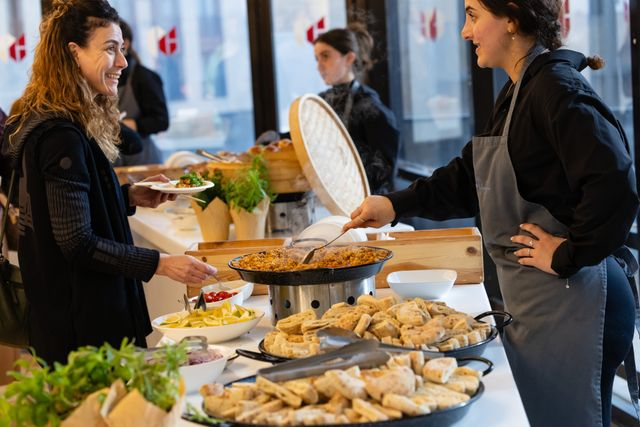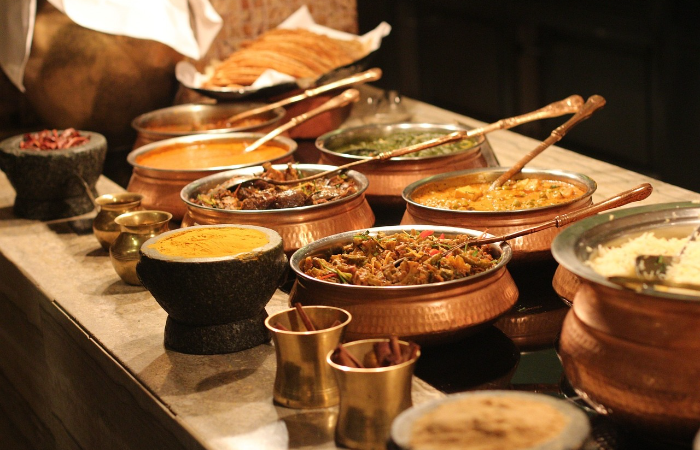

Choosing the right wedding catering services in Bangalore might be one of the most significant decisions in your wedding planning trip. Catering typically becomes the single largest expense, with costs for a 400-guest wedding ranging from ₹4-7 lakhs for food alone.
Understanding catering per plate cost is vital for your wedding planning checklist. Simple vegetarian options start at ₹500-800 per plate, while non veg catering per plate cost ranges from ₹1,200-2,500 for multi-cuisine buffets. We’ve compiled 11 checks to ensure you get quality food and professional service before you commit to any caterer.
Check the Caterer’s Experience and Specialization
Why Experience Matters in Wedding Catering?
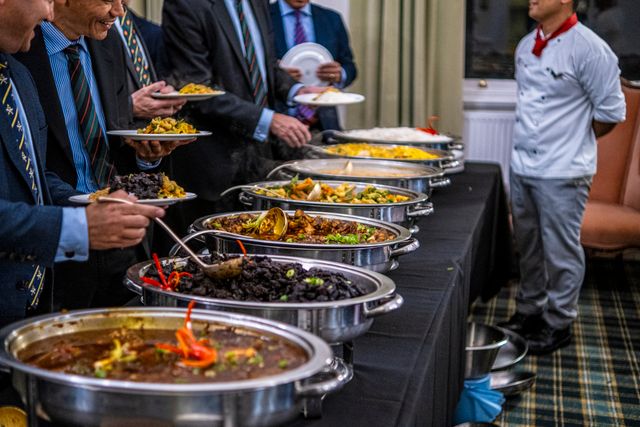
Wedding catering needs far more than cooking skills. A seasoned wedding caterer handles décor, table arrangements, food presentation, and coordinates rentals like linen and serveware while managing staffing requirements. They take over logistical planning so you and your guests can enjoy a stress-free celebration, and that matters most.
The expertise gap between corporate caterers and wedding specialists is huge. Wedding caterers operate in a different way. They work closely with couples over months of planning and coordinate with venue managers, event planners, florists, and photographers to ensure food service integrates naturally with the overall event flow. An experienced team knows the wedding industry inside out and delivers services on time and on budget, whatever the wedding type.
Specialization matters when selecting wedding catering services in Bangalore. Some caterers excel at outdoor events while others specialize in traditional South Indian spreads or multi-cuisine buffets. Finding a caterer whose forte lines up with your vision is vital. Catering a wedding is vastly different from handling a backyard party or corporate luncheon. Food choices aren’t finger-food and require excellent presentation standards, while formal weddings need caterers well-versed in table manners and professional service.
Questions to Ask About Their Portfolio
Start by confirming they have experience with weddings similar in scale and style to yours. Ask how many weddings they cater per year and whether they’ve handled events of your size before. Catering small parties isn’t the same as managing a wedding weekend with multiple events on your wedding planning checklist.
Request to see photos and videos from past events. You can’t gage their style from reading a menu alone, so visual documentation of their entrees and plating ensures they meet your expectations. Look for a portfolio of real events at comparable scale rather than generic food photography. If you’re planning a traditional ceremony, you don’t want to book a caterer whose portfolio only showcases continental cuisines.
Ask about their experience at your chosen venue. Find out if they’ve worked there before and if they’re allowed to cook onsite or use venue equipment like chafing dishes and refrigerators. Seasoned professionals can work in new spaces, but familiarity with your venue and its team helps streamline coordination during your wedding plan list execution.
Verifying Reviews and Past Client Feedback
Request client references from recent weddings they’ve catered. Speaking with real couples helps you learn about their professionalism, food quality, and how dishes tasted. Look for mentions of reliability and performance in reviews.
Check social media feedback and online testimonials beyond their website. Positive reviews across multiple platforms indicate consistent quality. Ask your wedding venue for caterer recommendations as well. Venues often maintain relationships with reliable caterers who deliver delicious food and remain open to adjustments or customization. This rapport becomes one less potential snag on your big day.
For peak wedding seasons in Bangalore, book six to twelve months ahead. This timeline allows you to secure your preferred caterer while leaving sufficient time for menu tastings and finalizing details on your wedding planner checklist.
Verify Food Quality Through Tasting Sessions
Booking a caterer based solely on photos and reviews is like buying a car without test driving it. Tasting sessions are a great way to get an exclusive chance to sample and examine possible menu options before you make your final decision. This step goes beyond taste alone. You’re assessing whether the culinary style, presentation, and overall essence arrange with what you expect for the big day.
What to Review During Tastings?
Focus on multiple dimensions of each dish during your tasting appointment. Assess seasoning, freshness, and cooking quality across the selection. Check consistency between different items and ensure the caterer maintains standards throughout their menu. Portion sizes deserve equal attention. You need portions comfortable enough so that everything gets used while guests don’t leave hungry, especially since they’ll have eaten during cocktail hour already.
Presentation carries more weight than many couples realize. Research indicates that visual presentation can influence perceived taste and satisfaction by up to 20-30%. Pay attention to plating esthetics for served dinners and ensure dishes look as elegant and appealing as expected. For buffet or station setups, verify the arrangement is hosted well, available, and visually appealing. Examine garnishing, portion arrangement, and serving styles including colors and textures.
Temperature matters a lot for wedding-scale service. A dish might taste exceptional at a table for four but doesn’t deal very well with when plated for 200 guests. Ask your caterer which items hold temperature well, transport effectively, and receive positive responses at scale consistently. The chef should explain how they maintain proper temperatures during toast sessions and resume service without quality drops.
How Many Dishes to Sample?
Schedule your tasting well in advance, ideally 3-4 months before your wedding date. This provides sufficient time to refine the menu and address concerns that surface during the session. Request to sample double the dishes you’ll serve at your reception. To name just one example, if you plan two starters, ask to taste four options. This gives you more choice and certainty that your final selections will be perfect.
Don’t limit yourself to fancy items. Sample everything, including simple items like rice, dal, and breads. These staples need flawless execution since guests notice when fundamentals fall short. Take notes and photographs during the tasting to remember specific dishes and your reactions. Document whether something needs more or less salt, better cooking, or additional spices so the chef can make necessary adjustments.
Bringing Family Members for Second Opinions
Tastings accommodate four people typically. Bring your partner and two trusted individuals whose opinions you value. A second palate catches things you might miss when excitement or stress clouds your judgment. But limit your group to 4-5 people maximum to keep feedback focused. Some caterers charge for tastings, with fees reaching up to ₹84,380.45 for four people, so choose your attendees thoughtfully. The best catering services in Bangalore for wedding events encourage detailed feedback and demonstrate flexibility during tastings. A caterer who takes notes and suggests alternatives shows how they’ll work together throughout your wedding planning checklist.
Understand the Complete Pricing Structure and Per Plate Cost
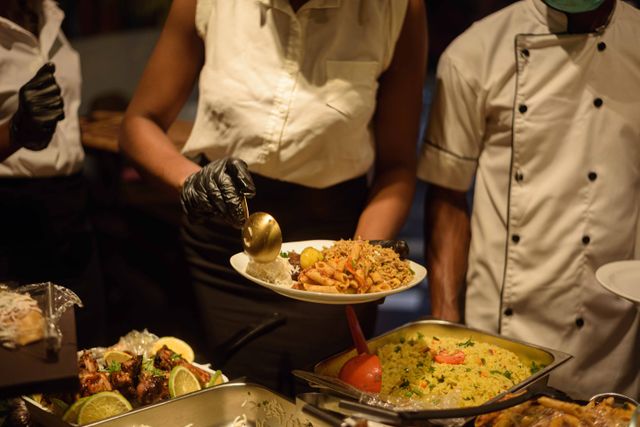
Understanding the complete pricing structure prevents budget overruns and helps you compare quotes accurately when you evaluate wedding catering services in Bangalore.
Breaking Down Catering Per Plate Cost
Bangalore wedding catering operates across distinct pricing tiers based on menu complexity and service style. South Indian vegetarian thalis range from ₹500-800 per plate and include traditional items like sambar, rasam and poriyal. Multi-cuisine vegetarian buffets cost ₹800-1,500 per plate, while non-veg buffets jump to ₹1,200-2,500 per plate. Premium spreads with live counters reach ₹2,000-4,000 per plate.
Guest count affects your per-plate pricing by a lot. A 200-guest wedding at standard buffet rates costs ₹1,60,000-3,00,000 for food alone, whereas 500 guests push that to ₹4,00,000-7,50,000. Volume discounts of 10-15% apply for gatherings exceeding 500 guests. Small parties below 50 guests face a premium of 20-30% since fixed costs like transport and chef wages spread across fewer people.
Each additional menu item adds ₹50-150 per plate. Live counters introduce further costs. Standard live stations add ₹60-100 per plate, while exotic options like nitrogen ice cream or pizza counters add ₹150-250 per plate. Peak wedding season pricing from November through February runs 15-20% higher than off-peak months. Service style matters too. Sit-down plated meals cost 15-20% more than buffets due to additional staffing requirements.
Hidden Costs to Watch Out For
Service charges run 15-25% of your total bill, with gratuity charged separately in most cases. GST adds another layer, and most quotes exclude this tax. Equipment fees for chafing dishes and serving boards appear as separate line items unless the quote includes them. Delivery charges climb higher for distant or hard-to-access venues.
Venue-related surprises include kitchen rental fees and preferred vendor surcharges when you bring outside caterers. Overtime charges apply when events exceed contracted hours, with waitstaff overtime running ₹4,219-8,438 per hour. The best catering services in Bangalore for wedding events provide itemized quotes that spell out every fee upfront.
Non Veg Catering Per Plate Cost vs Vegetarian Options
Non-vegetarian menus cost 30-50% more than equivalent vegetarian spreads. A multi-cuisine veg buffet at ₹800-1,500 becomes ₹1,200-2,500 when you add non-veg items. This differential stems from higher protein costs and preparation complexity, especially when you have mutton and seafood options.
Also Read – Catering Services in Bangalore: Understanding Costs and What You Need to Know
Review Menu Customization Options

Menu flexibility separates exceptional wedding catering services in Bangalore from average providers. Knowing how to accommodate diverse dietary needs while offering regional variety and interactive dining experiences should be non-negotiable on your wedding planner checklist.
Dietary Restrictions and Allergy Accommodations
Collecting dietary information during the RSVP process is fundamental for inclusive wedding planning. Your wedding website should have specific fields where guests can detail restrictions such as nut allergies, shellfish sensitivities, gluten intolerance, or requirements like vegan, vegetarian, Jain, Halal, or Kosher meals. Approximately six out of ten guests today have some form of dietary restriction. This step is critical rather than optional.
Professional caterers implement strict protocols to prevent cross-contamination. They use separate cookware, designated preparation areas, and distinct storage spaces for allergen-free foods. Some go further by purchasing new equipment or conducting industrial-level cleanings of all cooking materials. Ask detailed questions about allergen handling procedures when you discuss your wedding plan list with potential caterers. Find out whether they educate staff on these protocols.
The caterer should provide clear menu labeling at your event. Indicators like “V” for vegetarian, “GF” for gluten-free, and “vegan” markings work well. Ingredient sheets listing potential allergens should be readily available for guests with less common restrictions. A master spreadsheet with guest names, specific restrictions, and table assignments helps you communicate needs to your catering team at least two weeks before your wedding date.
Regional Cuisine Flexibility
India’s culinary landscape varies dramatically in different regions. Selecting caterers who offer authentic regional specializations adds personal meaning to your celebration. Look for providers experienced in Punjabi, South Indian, Gujarati, Rajasthani, Mughlai, Kerala, or Sri Lankan cuisines. This approach works well when many guests share similar cultural backgrounds or dietary priorities. South Indian menus naturally accommodate vegetarian guests, while certain regional styles suit those avoiding specific ingredients.
Live Counter and Food Station Add-Ons
Live stations transform dining into an interactive experience while addressing the varied priorities typical at Bangalore weddings. Guests can request extra cheese on pasta, adjust spice levels, or modify preparations to suit individual tastes through these counters. This personalization makes everyone feel valued beyond standard buffet service.
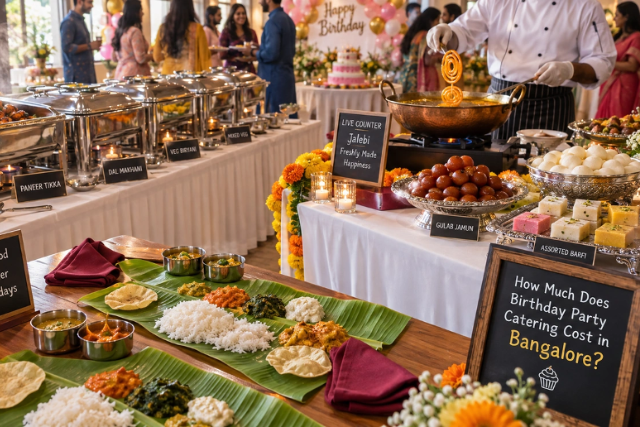
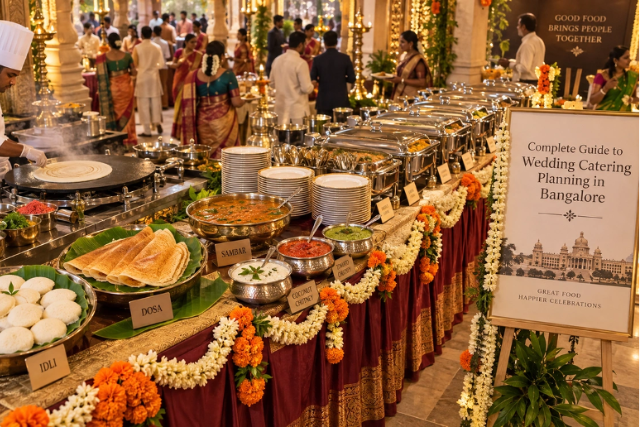
Options span Indian stations like dosa counters, paratha junctions, tandoor grills, and chaat displays. International choices include pasta bars, pizza ovens, stir-fry woks, and sushi displays. Dessert stations featuring cold marble ice cream, waffle and crepe counters, or jalebi preparations add memorable touches. These stations reduce buffet congestion and maintain food freshness through continuous preparation.
Confirm Service Staff Quality and Headcount
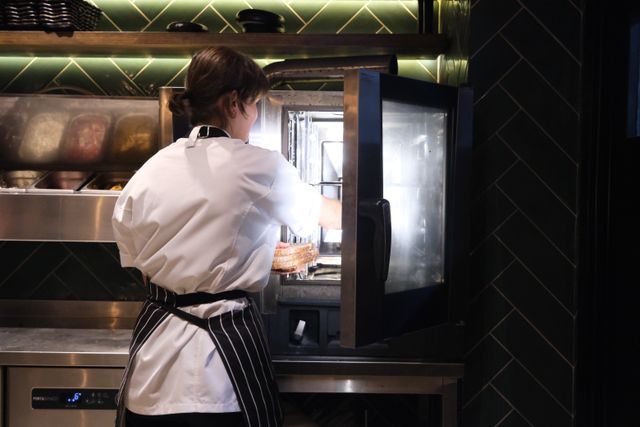
Staff quality and adequate headcount affect guest satisfaction at your wedding reception. The right staffing plan means guests never notice delays or service gaps because everything just works.
Staff-to-Guest Ratio Guidelines
Service style determines how many staff members you need. Plated dinners require one server per 10-12 guests. This tighter ratio maintains timing and keeps plates hot before food temperature drops. Family-style service requires one server per 15-18 guests, since larger platters mean fewer trips between kitchen and tables. Buffet or station setups need fewer servers but require dedicated attendants to manage food replenishment and maintain chafing dish temperatures.
Bar service needs one bartender per 50-75 guests, depending on menu complexity. A full cocktail bar with signature drinks needs more bartenders than a simple beer and wine setup. You also need an event captain or lead who oversees timing, manages staff, and coordinates with planners and vendors so everything stays on track. This behind-the-scenes coordinator is non-negotiable for smooth execution.
Service Training and Professionalism Standards
Training affects service quality at your wedding. Staff with training deliver fewer errors, better service-related knowledge, and boosted job satisfaction. Ask specific questions when evaluating wedding catering services in Bangalore before finalizing your checklist for catering. Confirm whether staff are insured and venue-approved, since many venues require proof before allowing service teams onsite. Ask who will act as the lead or captain and what specific tasks are included in service coverage versus excluded responsibilities. Clarify dress code standards, how overtime is handled if your event runs longer than planned, and who serves as the on-site point of contact for decisions.
Coordination with Other Vendors
Professional catering teams coordinate with other vendors as part of their service offering. The event captain communicates with your wedding planner, florist, photographer, and venue manager to blend food service naturally with other timeline elements on your wedding planner checklist.
Check Hygiene Standards and Food Safety Certifications
Food safety certifications and hygiene protocols are the regulatory backbone of reliable wedding catering services in Bangalore. Taste and presentation matter, but verifying these compliance standards on your wedding planning checklist protects your guests from foodborne illnesses. It will also give you confidence that you’re working with legitimate operators.
FSSAI Registration and Licensing
The Food Safety and Standards Authority of India governs catering businesses through the Food Safety and Standards Act, 2006. This makes licensing mandatory for all food operators, whatever the scale. Caterers fall under the category of banquet halls with food catering arrangements. Licensing requirements depend on annual turnover. Operations with turnover up to Rs. 12 lakhs require FSSAI Basic Registration, while businesses exceeding this threshold need an FSSAI State License.
Every licensed caterer displays a 14-digit FSSAI number that provides registration details and manufacturer information. Verify this number appears on their documentation and promotional materials. Proper licensing is non-negotiable. Operating without it attracts severe penalties ranging from ₹25,000 to ₹5 lakh, plus potential imprisonment under Section 59 of the FSS Act. Non-compliance also risks license suspension or cancellation, especially for violations like adulteration, unsafe food sale, or unsanitary conditions.
Kitchen Inspection Protocols
Catering facilities must meet specific infrastructural and hygiene standards to qualify for licensing. The premises needs a clean kitchen layout with proper ventilation and storage facilities segregated for vegetarian and non-vegetarian items. Potable water quality matters because contaminated water makes prepared food unsafe for consumption. Equipment for cooking, heating, cooling, and storage must achieve required food temperatures faster and maintain them.
Food Safety Officers conduct inspections at any time to assess compliance. Caterers handling large-scale operations implement Food Safety Management Systems like HACCP (Hazard Analysis and Critical Control Points) and maintain food logs.
Food Storage and Transportation Methods
Temperature control during storage and transport prevents bacterial contamination. Hot food must stay at or above 63°C, while cold items require temperatures at or below 8°C. The danger zone between 8°C and 63°C allows bacteria to double every 20 minutes. Food should never remain in this zone for more than two hours.
Clarify Venue Compatibility and Logistics
Venue logistics can make or break your catering execution, whatever the food quality. Coordination between your chosen caterer and venue determines whether service flows smoothly or faces preventable complications.
In-House vs Outside Catering Policies
Hotel wedding venues and many barn venues maintain their own kitchens with in-house caterers. Outside catering becomes non-negotiable when you book these spaces. Venues offering outside catering flexibility require external caterers to meet current food hygiene regulations and carry full insurance. Documentation must be submitted in advance. Some venues charge deposits for outside catering privileges. One venue model requires a ₹1,000 non-refundable booking deposit plus a ₹1,500 refundable damage deposit. Corkage fees and vendor surcharges appear when bringing external caterers to venues with in-house options.
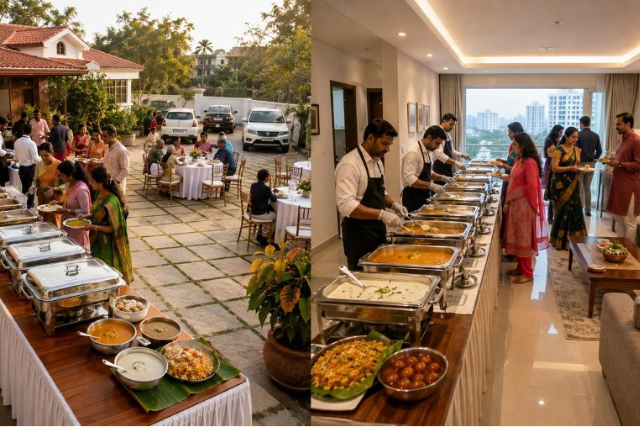
Venues allowing outside caterers hold you or your caterer responsible for complete setup and breakdown of all catering elements. This includes hired buffet equipment, heating apparatus and serving staff. The venue team already knows the space layout and facilities when you choose in-house catering. This familiarity results in better service timing control and reduces miscommunication risks.
Setup Requirements and Timing
Catering staff should arrive 3-4 hours before your ceremony starts. This window allows adequate time for food preparation, equipment setup and troubleshooting any last-minute issues. Adjusted arrival times must be communicated with your catering team for early morning events.
Equipment and Infrastructure Needs
Verify power supply sufficiency and water availability that support catering equipment. Check whether the venue provides essential kitchen equipment like ovens, refrigerators and chafing dishes, or if your caterer must transport everything. Transport logistics for food and equipment to off-site venues require careful planning, especially when you have temperature-controlled items. Your caterer’s equipment must fit within the venue size and layout without disrupting event flow.
Understand the Cancellation and Refund Policy
Protecting your financial interests requires understanding exactly what happens if plans change. Wedding catering services in Bangalore have cancellation policies that vary substantially, and the terms can determine whether you lose thousands or get most of your money back.
Timeline-Based Cancellation Terms
Cancellation fees escalate as your wedding date approaches. Cancelations made more than 30 days before the event incur minimal penalties, with caterers retaining only documented expenses like special orders, contracted labor and rental reservations. Expect retention of around 25% of your deposit plus any incurred costs between 14 and 30 days prior. The financial effect increases within the final two weeks. Cancellations between 7 and 14 days result in retention of 50-75% of payments made. Most caterers retain 100% of all deposits within the final week and may seek full event costs. These escalating penalties protect caterers from last-minute losses when rebooking becomes nearly impossible.
Payment Schedule and Advance Requirements
Most caterers collect deposits between 20-50% of the total estimated cost to secure your date. This original advance is non-refundable under any circumstances. The remaining balance follows a structured schedule. One common arrangement requires 10% at booking, 75% thirty days before the event and the final 15% on the wedding day. Another model splits payments at booking, four months out, two months out and one week prior. The final catering bill may include adjustments based on actual consumption and result in either a refund or additional charges depending on what was served.
Last-Minute Guest Count Changes
Final guest counts are due 14 days before your wedding date. This deadline allows caterers to finalize food orders and staffing. Decreases in headcount after this point rarely result in refunds, while increases can be accommodated with advance notice to the site manager. Communicate any changes immediately to avoid last-minute scrambling on your wedding planning checklist.
Review Contract Terms and Deliverables
A written contract turns verbal promises into legally binding commitments when you book wedding catering services in Bangalore. This document becomes your main reference point if disagreements surface during wedding preparations or on your event day.
What Should Be in Your Catering Contract?
Your catering contract should detail what services the caterer will provide, including specific menu items, number of courses, beverages and staff roles. So the agreement must specify service timing, arrival schedules for staff, meal service windows and departure times. Equipment requirements like tables, chairs, linens and dinnerware need documentation, along with catering area specifications such as kitchen access and power supply. Liability insurance coverage needs a section that outlines responsibilities for accidents or damages, with caterers providing proof of insurance.
Guarantees and Service Level Commitments
Service level agreements define performance standards and hold caterers accountable. Professional venues guarantee responses to questions within four working hours. They commit that meeting rooms will be set according to agreed layouts at least 30 minutes before your program starts. These guarantees ensure meals and refreshments are served on time within agreed timescales, which matters most.
Dispute Resolution Clauses
Dispute resolution clauses establish how disagreements will be handled without litigation. The best catering services in Bangalore for wedding contracts specify negotiation as the first step, followed by mediation if direct discussions fail. These clauses should include clear timeframes for each stage and define what constitutes a dispute.
Evaluate Presentation and Decor Coordination
Visual presentation shapes how guests see the food before the first bite reaches their mouth. Research shows food presentation can influence taste and satisfaction as noticed by diners. This makes plating standards a critical element on your wedding planning checklist while you evaluate wedding catering services in Bangalore.
Food Styling and Plating Standards
Strategic arrangement creates visual interest through plating techniques. Rectangular plates work well with small garnishes arranged lengthwise. Round plates follow the Rule of Thirds to avoid dead spots in the center or corners. Height on plates adds dimension, though symmetry can work when intended rather than achieved by accident. Color, texture and spacing balance the visual appeal. Plain white plates allow better appreciation of food components. Dark plates with modern shapes create eye-catching presentations. Popular arrangement techniques include overlapping, stacking and fanning. Think about ingredient size, shape and texture.
Coordination with Wedding Theme
Line up food displays with your wedding theme to create cohesive esthetics. Rustic celebrations benefit from wooden crates and burlap runners. Vintage themes shine with antique serving pieces and ornate silver platters. Modern weddings call for sleek acrylic displays and minimalist presentations.
Serving Vessel and Setup Options
Equipment choices affect presentation quality. White plates create clean elegance, and gold or silver trim adds luxury. Service trays transport food with copper, gold and silver options that lend a formal atmosphere. Chafing dishes maintain temperature and allow food to breathe.
Assess Contingency Planning for Emergencies
Emergency preparedness separates experienced wedding catering services in Bangalore from those unprepared for ground complications. Unpredictable events like bad weather, delayed food delivery, or last-minute menu changes occur despite careful planning of wedding arrangements. You should ask what happens if something goes wrong on the event day, as experienced caterers maintain written contingency plans covering staffing emergencies, equipment failures and supplier issues.
Backup Plans for Weather Issues
Bangalore’s weather patterns require reliable backup strategies on your wedding planning checklist. Professional caterers bring backup power supplies for food warmers to maintain proper temperatures during outages. Generator systems should activate right away, with some operations restoring backup power within 30 minutes of electricity loss. Weather monitoring through apps and professional services helps caterers adjust timing and preparation methods when storms threaten outdoor celebrations.
Alternative Menu Options
Contingency planning has maintaining extra food stock and alternative menu options ready for deployment. You should ask what happens if a lead chef cancels or a supplier fails on your event day. Caterers should explain their backup supplier relationships and whether they maintain emergency food reserves to handle last-minute quantity adjustments without compromising quality on your checklist for catering.
Emergency Contact and On-Site Management
An emergency coordinator with authority to make up-to-the-minute decisions and activate backup plans without requiring your involvement should be designated. This person maintains communication with the catering team and holds emergency contact information for all vendors. Professional caterers provide dedicated on-site management who handle complications right away, keeping your wedding plan list execution smooth whatever unforeseen circumstances arise.
Comparison Table
| Check Required | Key Focus/Purpose | Important Metrics/Standards | Questions to Ask | Cost Implications | Timeline/When to Address |
| Check the Caterer’s Experience and Specialization | Check wedding-specific expertise and cuisine specialization; confirm caterer can handle event scale and coordinate with other vendors | Experience with similar-scale weddings; portfolio of real events at comparable scale | How many weddings catered per year? Experience with events of your size? Experience at your chosen venue? Can they cook onsite or use venue equipment? | Not mentioned | Book 6-12 months in advance for peak wedding seasons |
| Check Food Quality Through Tasting Sessions | Sample and assess menu options for taste, presentation, and temperature consistency at scale | Visual presentation can influence perceived taste by 20-30%; accommodate 4 people per tasting; sample double the dishes you’ll serve | Which items hold temperature well at scale? How do they maintain temperatures during service? Can they make adjustments based on feedback? | Tasting fees can reach up to ₹84,380.45 for four people | Schedule 3-4 months before wedding date |
| Know the Complete Pricing Structure and Per Plate Cost | Know all costs to prevent budget overruns and compare quotes with accuracy | South Indian veg: ₹500-800/plate; Multi-cuisine veg: ₹800-1,500/plate; Non-veg buffets: ₹1,200-2,500/plate; Premium with live counters: ₹2,000-4,000/plate; Service charges: 15-25%; Volume discounts: 10-15% for 500+ guests | Are service charges and GST included? What are equipment fees? Delivery charges? Kitchen rental fees? Overtime charges? | 200 guests: ₹1,60,000-3,00,000; 500 guests: ₹4,00,000-7,50,000; Peak season premium: 15-20%; Small party premium (under 50): 20-30%; Each menu item adds ₹50-150/plate; Live stations add ₹60-250/plate | Not mentioned |
| Review Menu Customization Options | Confirm caterer can accommodate dietary restrictions, regional priorities, and interactive dining experiences | About 6 out of 10 guests have dietary restrictions | Do they use separate cookware for allergen-free foods? Can they provide menu labeling? What regional cuisines do they specialize in? What live counter options are available? | Not mentioned | Collect dietary information during RSVP process; communicate needs 2 weeks before wedding |
| Confirm Service Staff Quality and Headcount | Confirm enough staffing for smooth service without delays | Plated dinners: 1 server per 10-12 guests; Family-style: 1 server per 15-18 guests; Bartenders: 1 per 50-75 guests | Are staff insured and venue-approved? Who is the lead/captain? What’s included vs excluded in service? What’s the dress code? How is overtime handled? | Waitstaff overtime: ₹4,219-8,438 per hour | Not mentioned |
| Check Hygiene Standards and Food Safety Certifications | Check regulatory compliance and food safety protocols to protect guests | FSSAI Registration for turnover up to ₹12 lakhs; FSSAI State License for higher turnover; Hot food: ≥63°C; Cold food: ≤8°C; Food shouldn’t stay in danger zone (8-63°C) for more than 2 hours | Do they have valid FSSAI registration? What are their kitchen inspection protocols? How do they maintain temperature during transport? | Non-compliance penalties: ₹25,000 to ₹5 lakh plus potential imprisonment | Not mentioned |
| Clarify Venue Compatibility and Logistics | Confirm caterer can work at chosen venue with proper coordination | Catering staff should arrive 3-4 hours before ceremony | Does venue allow outside catering? What are setup requirements? Is power supply and water availability sufficient? Does venue provide kitchen equipment? | Outside catering may require non-refundable booking deposit (₹1,000) plus refundable damage deposit (₹1,500); potential corkage fees and vendor surcharges | Not mentioned |
| Know the Cancelation and Refund Policy | Protect financial interests if plans change | Deposits: 20-50% of total cost (often non-refundable); 30+ days: minimal penalties; 14-30 days: 25% retention; 7-14 days: 50-75% retention; Under 7 days: 100% retention | What happens to deposits if we cancel? What’s the payment schedule? When is final guest count due? | Payment schedules vary: one model requires 10% at booking, 75% thirty days before, 15% on wedding day | Final guest count due 14 days before wedding |
| Review Contract Terms and Deliverables | Convert verbal promises into binding commitments | Response to inquiries within 4 working hours; meeting rooms set 30 minutes before program; meals served on time within agreed timescales | What services are included? What are the service timing details? What equipment is provided? What’s the liability insurance coverage? | Not mentioned | Not mentioned |
| Assess Presentation and Decor Coordination | Confirm food presentation arranges with wedding theme and creates visual appeal | Food presentation can influence perceived taste and satisfaction | What plating techniques do they use? How do they coordinate with wedding theme? What serving vessel options are available? | Not mentioned | Not mentioned |
| Assess Contingency Planning for Emergencies | Prepare for weather issues, equipment failures, and last-minute changes | Backup power restoration within 30 minutes of electricity loss | What happens if something goes wrong? Do they have backup power supplies? What are their backup supplier relationships? Who is the emergency coordinator? | Not mentioned | Not mentioned |
Key Takeaways
Choosing wedding catering in Bangalore requires careful evaluation beyond just taste—it’s your largest wedding expense, typically ₹4-7 lakhs for 400 guests. Essential pre-booking actions:
- Verify credentials and experience: Confirm FSSAI licensing, check portfolios of similar-scale weddings, and schedule tastings 3-4 months in advance to sample double the dishes you’ll serve.
- Understand complete pricing structure: Per-plate costs range from ₹500-800 for South Indian vegetarian to ₹2,000-4,000 for premium spreads; watch for hidden charges like 15-25% service fees, GST, equipment rentals, and overtime costs.
- Confirm staffing and safety protocols: Ensure proper staff-to-guest ratios (1 server per 10-12 guests for plated dinners), temperature control standards (hot food ≥63°C, cold ≤8°C), and separate allergen-handling procedures.
- Review contracts and contingency plans: Understand cancellation policies (100% retention within 7 days), finalize guest counts 14 days prior, and confirm backup plans for weather issues, equipment failures, and emergency contacts.
- Assess venue compatibility: Verify outside catering permissions, equipment needs, and ensure catering staff arrives 3-4 hours before your ceremony for proper setup.
Pro tip: Book 6-12 months ahead during peak season (November-February) and bring 3-4 trusted people to tastings for balanced feedback. The right caterer coordinates seamlessly with your venue and other vendors, handling logistics so you can enjoy your celebration stress-free.
Conclusion
With these points in mind, selecting the right wedding catering requires evaluation in multiple dimensions. The eleven checks we’ve covered protect your investment and ensure guests enjoy memorable dining experiences. Each element matters. You need to verify FSSAI certifications and confirm contingency plans to handle unexpected situations. Professional wedding catering specialists who handle all types of celebrations bring expertise that transforms your vision into reality. Take time to conduct full tastings and review contracts before signing any agreements. Confirm every detail on your checklist. The effort you invest now in finding the right catering partner pays dividends on your wedding day. Everything runs smoothly and your guests rave about the food.
FAQs
Q1. What is the typical per plate cost for wedding catering in Bangalore?
Wedding catering costs in Bangalore vary based on menu type and service style. South Indian vegetarian thalis typically range from ₹500-800 per plate, while multi-cuisine vegetarian buffets cost ₹800-1,500 per plate. Non-vegetarian buffets are priced between ₹1,200-2,500 per plate, and premium spreads with live counters can reach ₹2,000-4,000 per plate. Additional factors like guest count, peak season timing, and extra menu items can influence the final pricing.
Q2. How far in advance should I book a wedding caterer in Bangalore?
For peak wedding seasons in Bangalore (November through February), it’s recommended to book your caterer six to twelve months in advance. This timeline ensures you can secure your preferred catering service and allows sufficient time for menu tastings, customization discussions, and finalizing all details. Early booking also helps you avoid last-minute price premiums and limited availability.
Q3. What should I look for during a catering tasting session?
During tasting sessions, evaluate multiple aspects beyond just taste. Assess seasoning, freshness, cooking quality, and consistency across different dishes. Pay attention to portion sizes, presentation quality, and how well dishes maintain temperature at scale. It’s advisable to sample double the number of dishes you plan to serve and bring 3-4 trusted family members for additional perspectives. Schedule tastings 3-4 months before your wedding date.
Q4. What hygiene certifications should a wedding caterer have?
All legitimate caterers in India must have valid FSSAI (Food Safety and Standards Authority of India) registration or licensing. Caterers with annual turnover up to ₹12 lakhs require FSSAI Basic Registration, while those exceeding this threshold need an FSSAI State License. Verify that the caterer displays their 14-digit FSSAI number and maintains proper food safety protocols, including temperature control, separate preparation areas for allergen-free foods, and clean kitchen facilities.
Q5. How many service staff members are needed for a wedding reception?
Staffing requirements depend on your service style. For plated dinners, plan for one server per 10-12 guests to ensure proper timing and hot food delivery. Family-style service requires one server per 15-18 guests, while buffet setups need fewer servers but require dedicated attendants for food stations. Additionally, you’ll need one bartender per 50-75 guests and an event captain to oversee coordination and manage the service team throughout your reception.